The Pirelli stops shorter, corners cleaner, and rides better — the Dunlop only leads in aquaplaning.
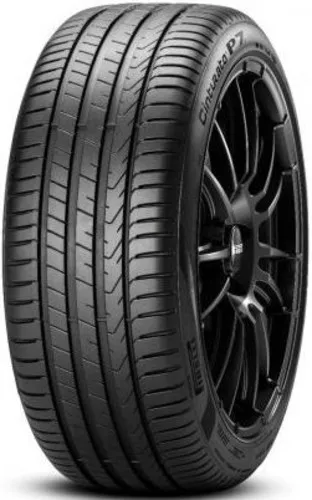
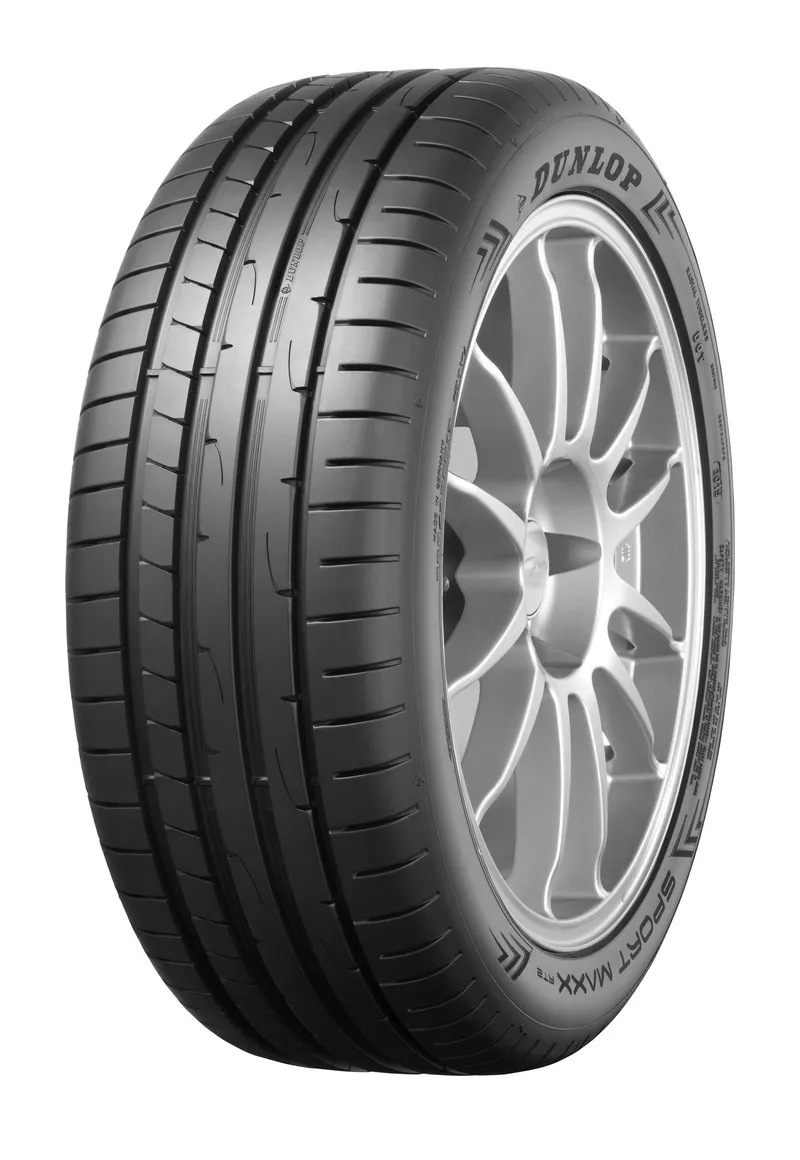
These two premium summer tyres share a segment but precious little else in character. The Dunlop SP Sport MAXX RT2 is a long-in-the-tooth performer that leans on aquaplaning resistance and ride comfort to stay competitive, while the Pirelli Cinturato P7 C2 — the upgraded successor to the legendary P7 Cinturato — is a genuinely well-rounded touring tyre that earns its place as original equipment on BMWs and other premium cars. One is aging gracefully but struggling to keep pace; the other scores convincingly across the board. The gap between them is wider than the price tags suggest.
SP Sport MAXX RT2
Cinturato P7 C2


Dunlop SP Sport MAXX RT2
Dunlop SP Sport MAXX RT2The wet picture is more nuanced, though the Pirelli still holds the advantage where it matters most. Wet braking scores favour the Cinturato P7 C2 at 80.1/100 vs 75/100 for the RT2, and wet handling objective scores (98.5 for the Pirelli) are in a different league entirely from the RT2's 73.4. The RT2 does have one genuine wet-weather trump card: aquaplaning resistance. Its longitudinal aquaplaning score of 88.5 edges the Pirelli's 85.3, and overall aquaplaning scores are close (83 vs 82). In standing water at speed, the Dunlop holds its own.
But aquaplaning is only part of the wet picture. On wet bends and under hard braking on damp roads, the RT2 tends to understeer and feels less progressive — a criticism testers have returned to repeatedly. The Pirelli is more balanced and confidence-inspiring in wet corners, which matters far more for everyday safety than the marginal aquaplaning advantage the Dunlop holds.
Dunlop SP Sport MAXX RT2This is where the gap becomes uncomfortable for the Dunlop. The Cinturato P7 C2 posts a dry braking score of 92.3/100 averaged across tests, against just 78.3/100 for the RT2 — a substantial difference that translates to meaningfully longer stopping distances in real-world situations. Add objective dry handling scores of 96/100 for the Pirelli and the picture is clear: the Italian tyre simply grips and stops with far more authority on dry tarmac.
The RT2 has a persistent trait flagged consistently across multiple test seasons: delayed turn-in on dry roads. It hesitates slightly when asked to change direction, which makes it feel imprecise and can unsettle confident drivers. The Cinturato P7 C2 responds with directness and good steering feedback — testers and real owners alike praise its composed, communicative feel on dry surfaces.
Dunlop SP Sport MAXX RT2
Dunlop SP Sport MAXX RT2Both tyres prioritise refinement over outright sportiness, but the Pirelli edges ahead here too. Its comfort score of 88.7 beats the RT2's 80, and real-world feedback from owners backs this up convincingly. Drivers running the Cinturato P7 C2 on BMW 3-series, X3, and Lexus GS450h all highlight its low noise and excellent ride quality — one described it as "a pleasant surprise, very comfortable for everyday real life." Another, fitting it as BMW OE replacement, noted it as "very comfy" though slightly numb in feel, which aligns with its touring character rather than driver-engagement focus.
The RT2 is no rough ride — its interior noise score of 89.5 is actually marginally higher than the Pirelli's 89, so refinement at motorway speeds is solid. Rolling resistance is nearly identical between the two (Pirelli 69.3, Dunlop 68.8). Where the Dunlop falls short is mileage: its 71.8 mileage score beats the Pirelli's 64.5, meaning the Cinturato P7 C2 owners may find themselves replacing rubber slightly sooner — a fair trade-off given its overall performance advantage, but worth factoring into the lifetime cost.
Dunlop SP Sport MAXX RT2
Dunlop SP Sport MAXX RT2The verdict is not close. The Pirelli Cinturato P7 C2 earns 89/100 against 69/100 for the Dunlop SP Sport MAXX RT2, and those numbers reflect a real-world performance gap rather than a statistical quirk. For the vast majority of drivers — particularly those doing regular motorway miles in premium saloons or SUVs — the Pirelli is the smarter choice. It stops shorter, handles more predictably, rides more comfortably, and is trusted by manufacturers like BMW as factory-fit equipment. Its successor, the Pirelli Cinturato C3, is now available for those wanting the latest iteration.
The RT2 is not without merit: its aquaplaning resistance is genuinely good, and its interior refinement is competitive. But as the rest of the premium segment has moved on, it has struggled to keep pace — and recommending it at premium pricing is difficult when the Pirelli delivers so much more across the board. The Dunlop makes most sense for drivers specifically worried about standing water and who can find it at a meaningful discount; for everyone else, the Pirelli wins clearly.
| Organization | Season | Year | Dimension | |
|---|---|---|---|---|
ADAC | Summer | 2021 | 225/50 R17 | View |
Compare prices across all available dimensions for these tyres.
VS
VS
VS
VS
VS
VS
VS
VS
VS
VS
Dunlop SP Sport MAXX RT2 vs Pirelli Cinturato P7
Dunlop SP Sport MAXX RT2 vs Continental PremiumContact 6
Dunlop SP Sport MAXX RT2 vs Hankook Ventus Prime 4
Dunlop SP Sport MAXX RT2 vs Hankook Ventus S1 evo3 K127
Pirelli Cinturato P7 C2 vs Michelin Primacy 5
Pirelli Cinturato P7 C2 vs Bridgestone Turanza T005
Pirelli Cinturato P7 C2 vs Bridgestone Potenza Sport
Pirelli Cinturato P7 C2 vs Bridgestone Turanza 6