Hankook dominates across snow, wet, and comfort; Vredestein is an ageing design best found at a discount.
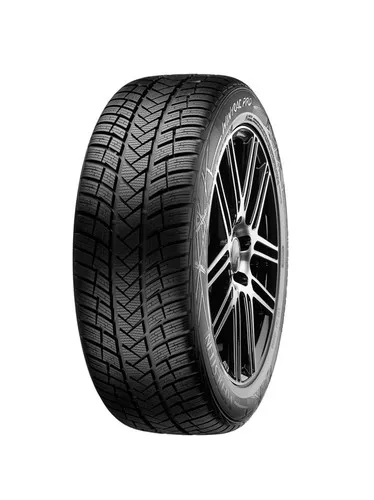
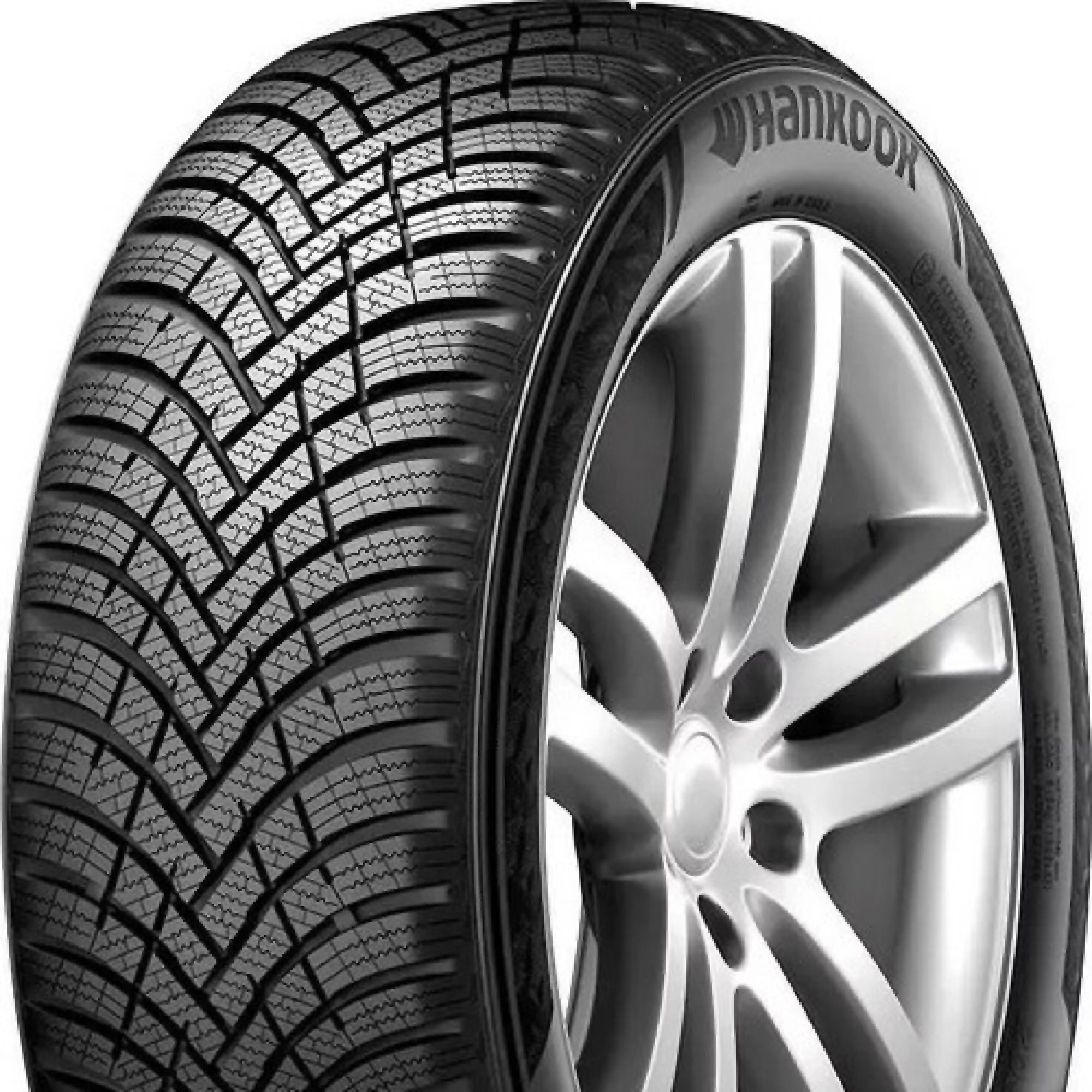
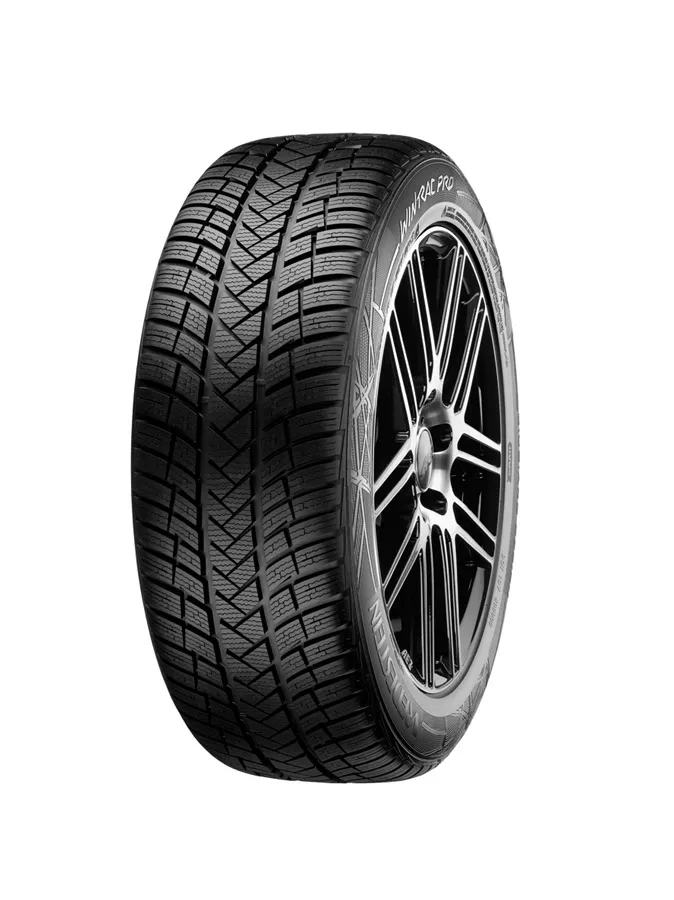
Pairing the Hankook W462 Winter i*cept RS3 against the Vredestein Wintrac Pro is in some ways an odd match. These two winter tyres occupy different size ranges — the Hankook targets mainstream R14–R17 fitments on everyday cars, while the Vredestein is built for larger R17–R22 wheels on SUVs and performance vehicles — and they come from very different moments in time. The Wintrac Pro is a design that has aged noticeably and has already been replaced by the Wintrac Pro+, which means buyers who encounter it are looking at end-of-line stock. The Hankook is the sharper, more current tyre across almost every measured discipline; the Vredestein retains some merit on wet and dry roads but has fallen behind in snow capability, rolling resistance, and overall refinement.
W462 Winter i*cept RS3
Wintrac Pro


Averaged from 4 tests
Hankook W462 Winter i*cept RS3
Vredestein Wintrac Pro
Hankook W462 Winter i*cept RS3
Vredestein Wintrac Pro
Hankook W462 Winter i*cept RS3
Vredestein Wintrac Pro
Hankook W462 Winter i*cept RS3
Vredestein Wintrac Pro
Hankook W462 Winter i*cept RS3
Vredestein Wintrac ProWet performance is where the gap narrows, though the Hankook still leads. In a large-scale Autobild braking test, the Hankook stopped from 80 km/h in 35.3 m on wet asphalt versus 36.9 m for the Vredestein — a meaningful real-world difference. The Hankook also stands out for aquaplaning resistance, where it scores significantly higher; its longitudinal aquaplaning score in particular is among the better results in its test groups. The Vredestein delivers acceptable wet cornering and some tests noted good cornering aquaplaning behaviour, but its straight-line aquaplaning reserves drew criticism. The Hankook is the safer choice in heavy rain.
Hankook W462 Winter i*cept RS3
Vredestein Wintrac Pro
Hankook W462 Winter i*cept RS3
Vredestein Wintrac Pro
Hankook W462 Winter i*cept RS3
Vredestein Wintrac ProOn dry roads, the Hankook is noticeably more capable. Testers consistently praised its precise, almost summer-tyre-like steering response at the limit — high lateral grip with good predictability and impressive reserves in fast cornering. The Vredestein holds its own in objective dry handling measurements and delivers stable lateral guidance, but some tests flagged an inharmonious feel in dynamic dry transitions, with less precision than you'd expect from a premium-branded tyre. For a driver who values confidence and feedback on dry winter roads, the Hankook delivers a more composed and direct character.
Hankook W462 Winter i*cept RS3
Vredestein Wintrac Pro
Hankook W462 Winter i*cept RS3
Vredestein Wintrac Pro
Hankook W462 Winter i*cept RS3
Vredestein Wintrac Pro
Hankook W462 Winter i*cept RS3
Vredestein Wintrac ProSnow is where the contrast becomes most stark. The Hankook has delivered some of the shortest snow braking distances in its test groups and impressed testers with strong traction in deep and packed snow. On snow braking, the Autobild measurement shows the two nearly level — 26.6 m for the Hankook versus 26.3 m for the Vredestein — but the Hankook pulls clear in snow handling and traction tests. The Vredestein shows adequate general winter competence and owners driving it in Scottish winter conditions report good grip and traction on ice and slush, but testers noted longer snow braking distances in some comparisons, limited steering reserves on compacted snow, and less confident overall snow handling. For drivers who regularly face serious winter conditions, the Hankook is the more dependable tool.
Hankook W462 Winter i*cept RS3
Vredestein Wintrac Pro
Hankook W462 Winter i*cept RS3
Vredestein Wintrac Pro
Hankook W462 Winter i*cept RS3
Vredestein Wintrac ProComfort and running costs add another dimension to the Hankook's advantage. Its interior noise score is excellent and owners on Heureka rate it 8.9/10 across 29 reviews — a consistently positive picture from real-world use. The Vredestein has drawn criticism for ride comfort on dry surfaces and its rolling resistance is measurably higher, which will show in fuel costs over a winter season. The Hankook's rolling resistance is better, its predicted mileage is higher, and its overall refinement on motorway runs is more polished. The Vredestein's 30 TyreReviews owner ratings average 84/100, with performance car owners on BMW and Audi praising its grip in extreme conditions — but these are largely early impressions from a tyre that has since been superseded.
Hankook W462 Winter i*cept RS3
Vredestein Wintrac Pro
Hankook W462 Winter i*cept RS3
Vredestein Wintrac ProFor most winter tyre buyers, the Hankook W462 Winter i*cept RS3 is the straightforward recommendation. It is more capable in snow, safer in wet braking, quieter, more efficient, and better rounded — all for a price that undercuts traditional premium brands. The Vredestein Wintrac Pro still has something to offer on wet and dry roads, and its larger size range (R17–R22) means it fills fitments the Hankook cannot. If you find the Wintrac Pro at a meaningful discount and your winters are mild with limited snowfall, it remains a usable tyre — but be aware you are buying an outgoing model with a known successor. For anyone prioritising true winter capability and long-term value, the Hankook wins this comparison convincingly across seven shared test appearances.
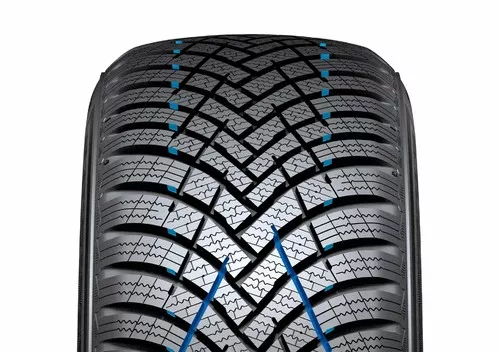
Compare prices across all available dimensions for these tyres.
VS
VS
VS
VS
VS
VS
VS
VS
VS
VS
Hankook W462 Winter i*cept RS3 vs Pirelli Cinturato Winter 2
Hankook W462 Winter i*cept RS3 vs Michelin Alpin 6
Hankook W462 Winter i*cept RS3 vs Goodyear UltraGrip Performance 3
Vredestein Wintrac Pro vs Bridgestone Blizzak LM-005
Vredestein Wintrac Pro vs Continental WinterContact TS 870 P
Vredestein Wintrac Pro vs GoodYear UltraGrip Performance+
Vredestein Wintrac Pro vs Michelin Alpin 6