Comparison: Goodyear UltraGrip 9 vs. Nokian WR D4 (2026)
Also compare with
Goodyear dominates wet roads; Nokian reigns supreme when it snows.
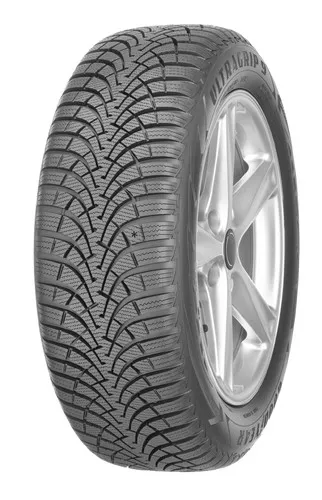
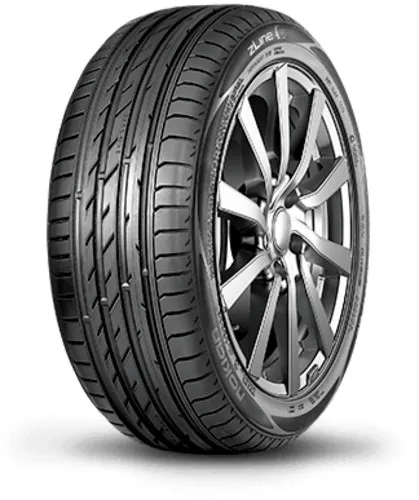
The Goodyear UltraGrip 9 and the Nokian WR D4 are two very different answers to the same winter tyre question. The Goodyear is a wet-weather specialist — a tyre whose strongest suit is the kind of cold, damp, grey-sky driving that defines most of western Europe's winters. The Nokian, engineered in Finland and honed on the Ivalo ice track, is built first and foremost for snow and ice, where it delivers genuinely outstanding performance. Across 14 shared tests the Goodyear leads nine to five on outright placement — but that headline masks the more interesting story: these two tyres suit different drivers in different conditions, and choosing between them depends heavily on what kind of winter you actually face.
 UltraGrip 9
 WR D4
WR D4


These tyres were not tested together in the same test. The scores below are aggregated from different independent tests, so direct comparison should be taken with caution.
 Goodyear UltraGrip 9Nokian WR D4Goodyear UltraGrip 9Nokian WR D4Goodyear UltraGrip 9Nokian WR D4Goodyear UltraGrip 9Nokian WR D4Goodyear UltraGrip 9Nokian WR D4Goodyear UltraGrip 9Nokian WR D4Goodyear UltraGrip 9Nokian WR D4Goodyear UltraGrip 9Nokian WR D4
Neither tyre is primarily sold on dry-road credentials, and the numbers reflect that. The Nokian WR D4 actually edges the Goodyear slightly on dry braking (80.9 vs 75.5), and testers have noted it feels reasonably confident on cold dry asphalt — a trait some owners specifically praise alongside its snow ability. The Goodyear's dry braking score is more modest, though its overall dry score of 80.8 is broadly competitive for the class. In practice, neither tyre will trouble a driver on a cold but dry motorway, but the Nokian has the narrower advantage here on stopping performance.
Goodyear UltraGrip 9Nokian WR D4Goodyear UltraGrip 9Nokian WR D4Goodyear UltraGrip 9Nokian WR D4Goodyear UltraGrip 9Nokian WR D4Goodyear UltraGrip 9Nokian WR D4Goodyear UltraGrip 9Nokian WR D4Goodyear UltraGrip 9Nokian WR D4Wet roads are where the Goodyear UltraGrip 9 asserts itself most clearly. Across two measured wet braking tests, it averages 35.8 metres against the Nokian's 37.3 metres — a 1.5-metre gap that is consistent across both data points and reflects a genuine, repeatable difference. The Autobild 195/65 R15 mass test placed the Goodyear 3rd out of 51 tyres on wet braking; the Nokian landed 14th. Aquaplaning scores tell a similar story: the Goodyear scores 88.6 against the Nokian's 74.5, a gap that reflects real vulnerability on standing water for the Finnish tyre. The Goodyear's EU wet grip label — predominantly C but with a solid B presence — undersells what the tyre actually delivers in test conditions. The Nokian's mostly-B rating is more respectable, but in measured testing it consistently falls short of the Goodyear on wet surfaces. One owner directly compared the two compounds, noting the Goodyear's softer compound gives it an edge on wet and icy surfaces over the Nokian's firmer mix.
Goodyear UltraGrip 9Nokian WR D4Goodyear UltraGrip 9Nokian WR D4Goodyear UltraGrip 9Nokian WR D4Goodyear UltraGrip 9Nokian WR D4Goodyear UltraGrip 9Nokian WR D4Goodyear UltraGrip 9Nokian WR D4This is where the Nokian WR D4 turns the tables decisively. Its snow score of 91.7 against the Goodyear's 77.1 is not a marginal gap — it reflects a fundamentally different design priority. Snow handling (91.4), snow braking (90.6) and snow traction (89.4) are all at the top of the class, and owners consistently single out the Nokian's behaviour in deep or fresh snow as exceptional. In the two measured snow braking tests, the Nokian averages 26.8 metres to the Goodyear's 26.0 metres — a smaller gap than the wet data, and one where the Goodyear actually leads, but the Nokian's advantage emerges more strongly in handling and traction on snow rather than pure straight-line stopping. Drivers on smaller cars report the Nokian allows confident progress in conditions that would have stalled previous winter tyres. The Goodyear is far from weak on snow — its snow traction score of 86.6 and ice braking performance are both solid — but it is clearly playing a different game to the Nokian when the road turns white.
Goodyear UltraGrip 9Nokian WR D4Goodyear UltraGrip 9Nokian WR D4Goodyear UltraGrip 9Nokian WR D4Goodyear UltraGrip 9Nokian WR D4Goodyear UltraGrip 9Nokian WR D4Goodyear UltraGrip 9Nokian WR D4Goodyear UltraGrip 9Nokian WR D4The Nokian WR D4's most remarkable statistic is its rolling resistance score of 99.3 — essentially the best in its class — which means real-world fuel savings over a full winter season that compound meaningfully if you do high mileage. The Goodyear's rolling resistance score of 82.3 is good but clearly behind. On noise, both tyres are similarly modest (70.3 vs 69.0), and Goodyear owner feedback frequently singles out low cabin noise as a pleasant surprise — 23 mentions across customer reviews on Heureka. The Goodyear also has a meaningful mileage advantage (80.0 vs 66.6), suggesting it wears more slowly over a season's use. The Nokian scores 9.5/10 from over 1,000 Heureka reviews and 92/100 from TyreReviews users, reflecting very high owner satisfaction overall; the Goodyear sits at 9.4/10 from 220 reviews with testers particularly praising its price-to-quality ratio and long tread life.
Goodyear UltraGrip 9Nokian WR D4Goodyear UltraGrip 9Nokian WR D4Goodyear UltraGrip 9Nokian WR D4Goodyear UltraGrip 9Nokian WR D4Goodyear UltraGrip 9Nokian WR D4The choice here is genuinely straightforward once you know your conditions. The Goodyear UltraGrip 9 is the better tyre for drivers in wetter, milder winters — urban and suburban use, coastal climates, or anywhere wet and slushy roads are more common than deep snow. Its wet braking advantage, superior aquaplaning resistance, and better projected mileage make it the more sensible daily tool for most western European drivers. It succeeds in nine of fourteen shared tests for a reason. The Nokian WR D4, however, is the tyre to choose if you regularly encounter genuine snow — mountain passes, Nordic winters, rural roads that don't get cleared quickly. Its snow handling and traction scores are in a different league, and its exceptional rolling resistance is a bonus for the environmentally or economically conscious. The size range also matters: with 47 dimensions from R13 to R20, the Nokian fits a far wider range of cars than the Goodyear's modest 19-size, R14–R16 offering — making it the only realistic option for many larger or newer vehicles regardless of which tyre wins on performance.
Compare prices across all available dimensions for these tyres.
| Organization | Season | Year | Dimension | |
|---|---|---|---|---|
 ADAC ADAC | Winter | 2019 | 185/65 R15 | View |
 AutoMotorSport AutoMotorSport | Winter | 2018 | 205/55 R16 | View |
 Autobild Autobild | Winter | 2018 | 195/65 R15 | View |
 ACE ACE | Winter | 2018 | 185/65 R15 | View |
| ADAC | Winter | 2018 | 175/65 R14 | View |
| ADAC | Winter | 2018 | 205/55 R16 | View |
| Autobild | Winter | 2018 | 195/65 R15 | View |
| ADAC | Winter | 2017 | 195/65 R15 | View |
 Autoklub ČR Autoklub ČR | Winter | 2016 | 205/55 R16 | View |
| Autobild | Winter | 2016 | 205/55 R16 | View |
| Autobild | Winter | 2016 | 205/55 R16 | View |
 GTÜ GTÜ | Winter | 2016 | 205/55 R16 | View |
| ADAC | Winter | 2016 | 185/65 R15 | View |
 Autozeitung Autozeitung | Winter | 2015 | 185/65 R15 | View |
 VS
VS VSVSVS
 VSVS
VSVS VSVS
VSVS VSVSGoodyear UltraGrip 9 vs GoodYear UltraGrip 9+Goodyear UltraGrip 9 vs Hankook Winter i*cept RS2 W452Goodyear UltraGrip 9 vs Continental WinterContact TS 860Goodyear UltraGrip 9 vs Pirelli CINTURATO WINTERNokian WR D4 vs Continental WinterContact TS 860
 Nokian WR D4 vs Vredestein Snowtrac 5
 Nokian WR D4 vs Kumho WinterCraft WP51







