Continental wins 14 of 16 shared tests — especially in wet braking, where it stops noticeably shorter.
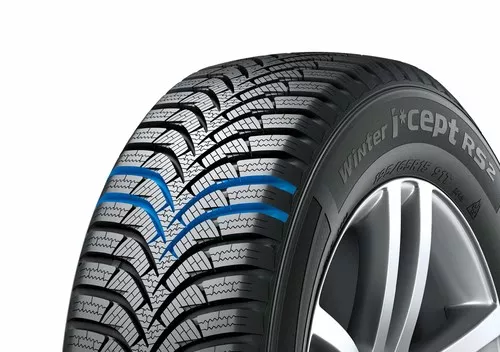
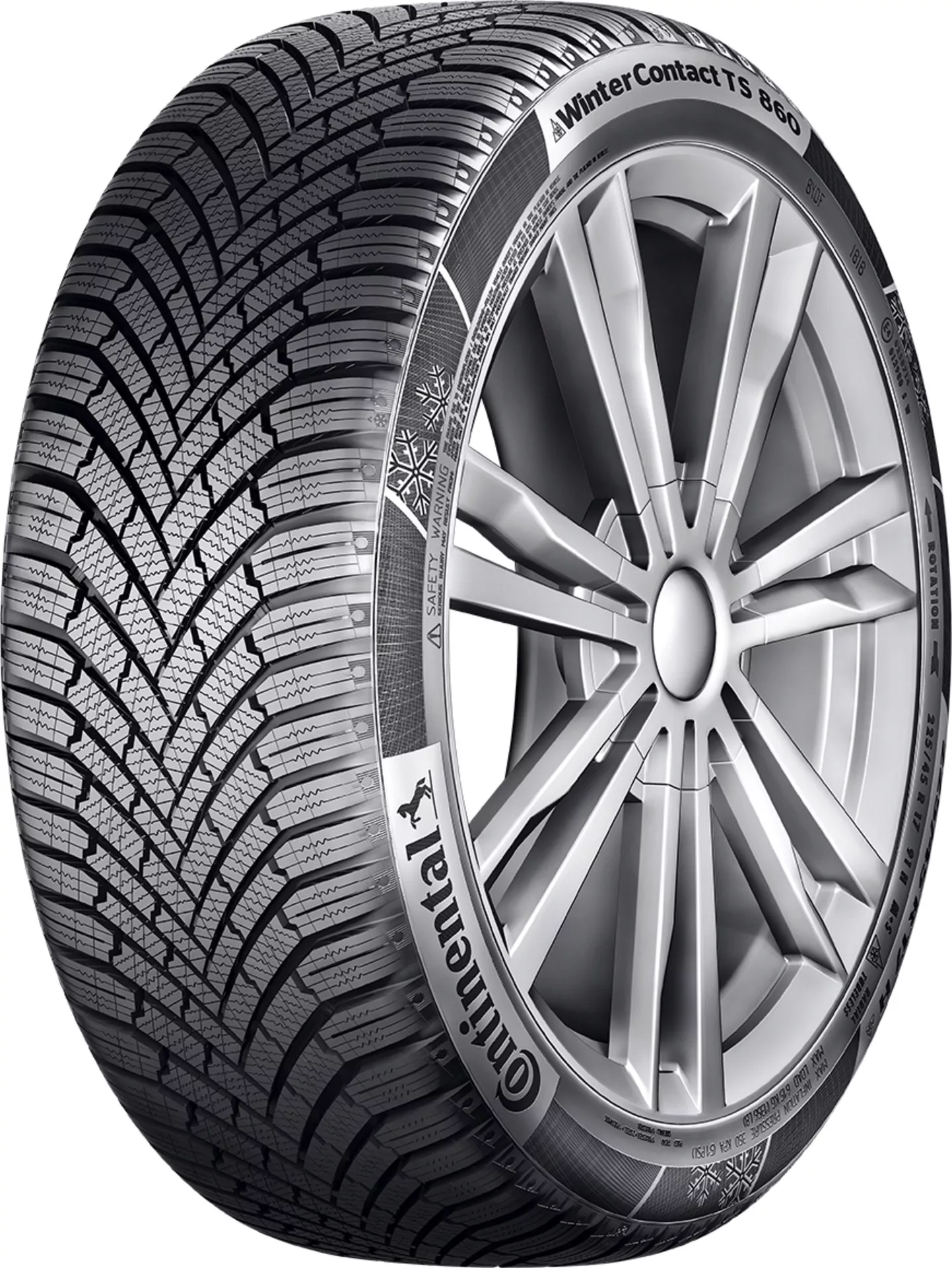
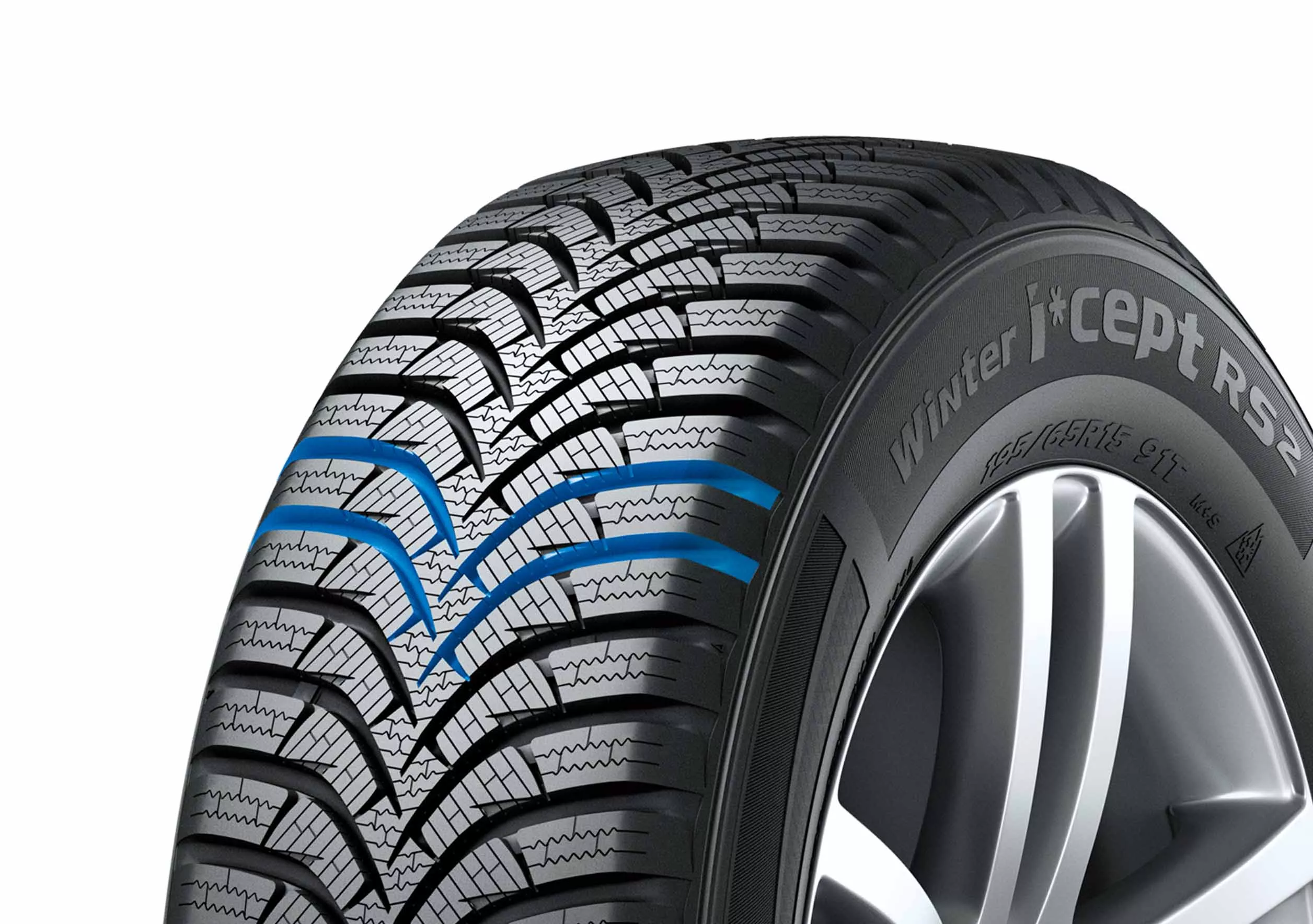
On paper, these two winter tyres cover the same R13–R17 wheel range and target similar family hatchbacks and compact saloons. In practice, they belong to different worlds. The Continental WinterContact TS 860 is a decorated premium winter tyre — a multiple test winner that dominated the 2016–2019 season — while the Hankook Winter i*cept RS2 W452 is a capable upper-midrange challenger from South Korea, now succeeded by the newer RS3, that punches above its price point without quite reaching the Continental's level across the board. Across 16 shared tests, Continental wins 14. That tells most of the story — but not all of it.
WinterContact TS 860
Winter i*cept RS2 W452


Averaged from 6 tests
Continental WinterContact TS 860
Hankook Winter i*cept RS2 W452
Continental WinterContact TS 860
Hankook Winter i*cept RS2 W452
Continental WinterContact TS 860
Hankook Winter i*cept RS2 W452
Continental WinterContact TS 860
Hankook Winter i*cept RS2 W452
Continental WinterContact TS 860
Hankook Winter i*cept RS2 W452Wet performance is where the Continental pulls away most convincingly, and where buying decisions should be anchored. Averaging across five measured braking tests, the Continental stops in 30.0m on wet roads versus 31.5m for the Hankook — a gap that widens significantly in specific tests. In the 2016 Autobild large-field test, the difference stretched to 34.2m versus 39.1m, putting the Hankook nearly 5 metres behind. The 2017 Autobild showed a 33.5m versus 35.9m split, and across the full dataset the Continental consistently outperforms. Its wet handling scores are also markedly higher — 94.3 average versus 86.0 for the Hankook — confirming that its wet-road advantage goes beyond straight-line braking into cornering and overall control.
The one area where the Hankook narrows the gap is aquaplaning resistance, where its crossflow and longitudinal scores are actually slightly higher than the Continental's. In standing water at speed, the Hankook holds its own and may even edge ahead. But aquaplaning resistance alone cannot compensate for a consistent wet braking deficit across the broader picture.
Continental WinterContact TS 860
Hankook Winter i*cept RS2 W452
Continental WinterContact TS 860
Hankook Winter i*cept RS2 W452
Continental WinterContact TS 860
Hankook Winter i*cept RS2 W452
Continental WinterContact TS 860
Hankook Winter i*cept RS2 W452Both tyres perform respectably on dry winter roads, and this is actually the area where Hankook shows its best face relative to the Continental. In the 2020 braking test, the Hankook stopped in 14.6m versus 15.4m for the Continental on dry surfaces — the Hankook's best result in the head-to-head data. The Continental's dry handling scores and overall dry composure are strong, but it has never been the standout performer in its own camp on dry tarmac. Both tyres deliver adequate steering response for winter-compound tyres, with the Continental feeling slightly more planted in assessed dry handling, but neither is particularly engaging or sporty in character. Drivers wanting precise, spirited handling are looking at the wrong category entirely.
Continental WinterContact TS 860
Hankook Winter i*cept RS2 W452
Continental WinterContact TS 860
Hankook Winter i*cept RS2 W452
Continental WinterContact TS 860
Hankook Winter i*cept RS2 W452
Continental WinterContact TS 860
Hankook Winter i*cept RS2 W452Snow performance is genuinely close between these two, which makes the comparison interesting in this domain. The Continental averages 26.3m for snow braking across four measured tests, with the Hankook at 26.9m — a gap of just 0.6m, which is well within the margin of meaningful variation. The Hankook's snow handling measured score is actually the highest in its dataset, and its snow traction and snow handling subjective scores are strong. In ADAC 2019, the Hankook finished just one place behind the Continental in a 16-tyre field, both earning recommended verdicts. For drivers whose primary concern is managing snow and ice, the Hankook delivers solid, trustworthy performance that is competitive with the more expensive German rival. The Continental has the better overall snow programme — particularly its snow circle cornering and snow braking — but the difference in winter conditions specifically is narrower than the wet-road gap suggests.
Continental WinterContact TS 860
Hankook Winter i*cept RS2 W452
Continental WinterContact TS 860
Hankook Winter i*cept RS2 W452
Continental WinterContact TS 860
Hankook Winter i*cept RS2 W452
Continental WinterContact TS 860
Hankook Winter i*cept RS2 W452
Continental WinterContact TS 860
Hankook Winter i*cept RS2 W452Neither tyre is a luxury touring product, and both share the same noise score of 77.8 in the data — though owners describe the Continental as notably quiet for a winter tyre, which is reflected in its 9.6/10 Heureka rating from over 600 verified buyers. Tread wear is a recurring theme in Continental owner feedback: some report significant depth loss over a single season, particularly on mixed motorway driving, and this echoes across multiple candid reviews. The Hankook's owner base is smaller but also mentions durability positively, and its price-to-performance ratio earns consistent praise. On running costs, the Continental is the significantly more efficient tyre — its rolling resistance score of 81.7 dwarfs the Hankook's 59.5, and its EU fuel label reflects this with a majority of sizes rated C versus Hankook's predominantly E and F ratings. Over a full season, this fuel efficiency difference is real and quantifiable. Note that both models have been succeeded — the Continental by the WinterContact TS 870 and the Hankook by the W462 Winter i*cept RS3 — so availability in newer sizes may be limited.
Continental WinterContact TS 860
Hankook Winter i*cept RS2 W452
Continental WinterContact TS 860
Hankook Winter i*cept RS2 W452
Continental WinterContact TS 860
Hankook Winter i*cept RS2 W452The Continental WinterContact TS 860 is the more accomplished tyre, and its 14-2 head-to-head record across 16 shared tests is not a fluke. It brakes shorter in wet conditions where it matters most, handles more confidently in rain, and rewards drivers with better fuel efficiency over the season. For drivers who cover significant wet motorway miles in autumn and winter, it is the safer, smarter choice — and the owner satisfaction data, including a 95/100 average on TyreReviews, confirms the real-world experience matches the test results.
The Hankook Winter i*cept RS2 W452 is not a bad tyre — it is a genuine option for budget-conscious buyers who can accept a step back in wet braking in exchange for lower upfront cost. Its snow performance is competitive, its aquaplaning resistance is actually superior in crossflow scenarios, and its dry braking in recent tests has been respectable. If the Hankook RS3 is available in your size, that successor is the more logical buy today; but for those who find the RS2 at a strong discount, it remains a capable winter companion for lighter-duty use. For anyone who covers serious winter mileage in genuinely wet conditions, the Continental is worth the premium.
Compare prices across all available dimensions for these tyres.
VS
VS
VS
VS
VS
VS
VS
VS
VS
VS
Continental WinterContact TS 860 vs Goodyear UltraGrip 9
Continental WinterContact TS 860 vs Nokian WR D4
Continental WinterContact TS 860 vs Dunlop Winter Sport 5
Hankook Winter i*cept RS2 W452 vs Dunlop Winter Sport 5
Hankook Winter i*cept RS2 W452 vs Michelin Alpin 6
Hankook Winter i*cept RS2 W452 vs Bridgestone Blizzak LM-005