Blizzak 6 wins on wet braking; WinterContact TS 870 wins on everything else.
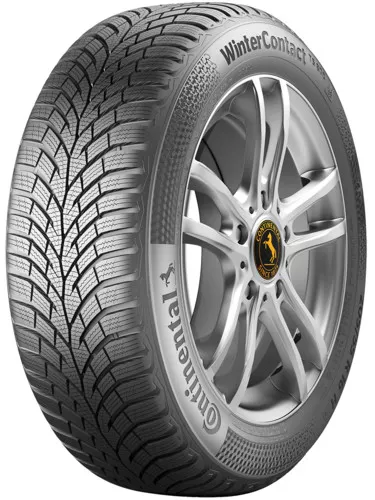
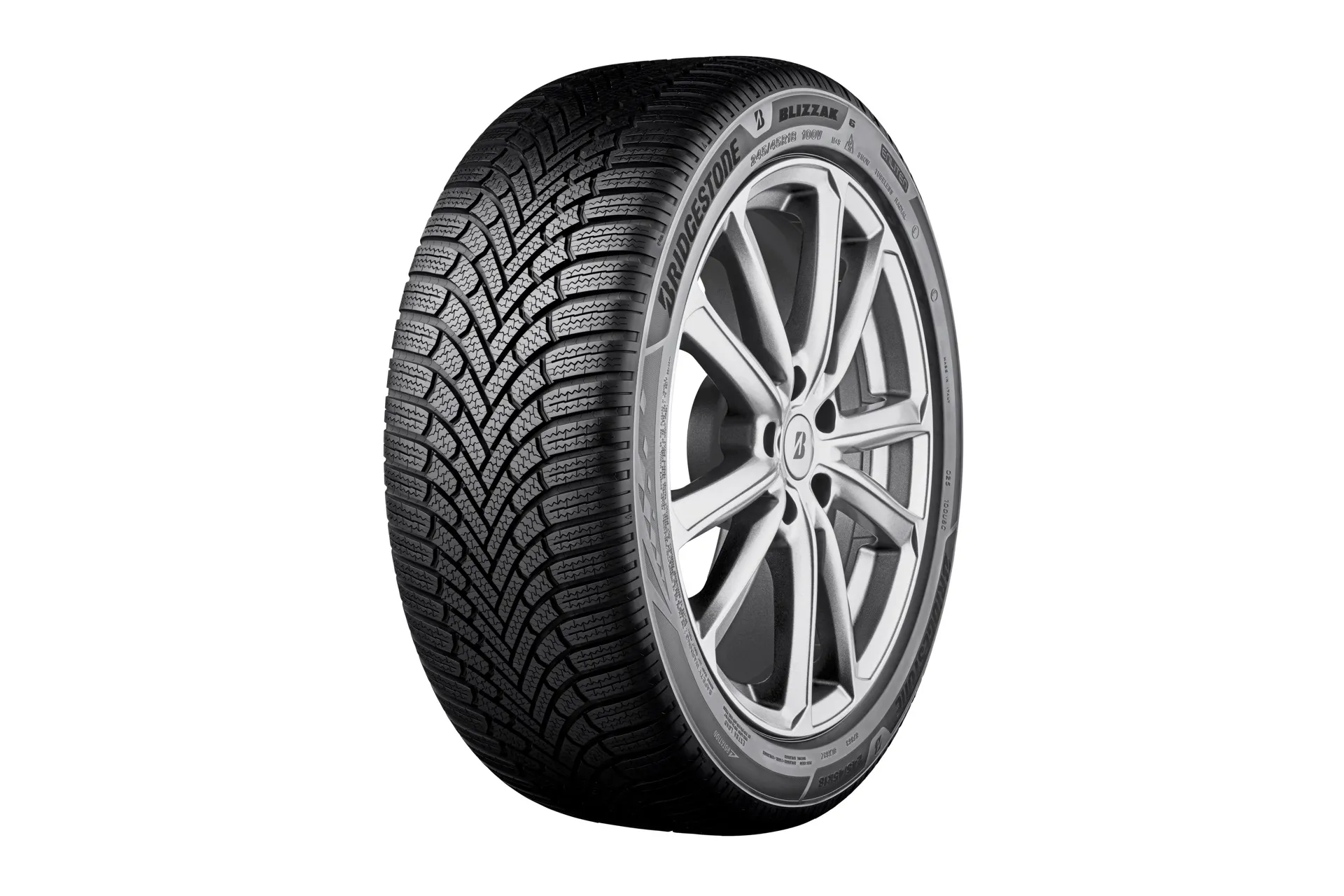
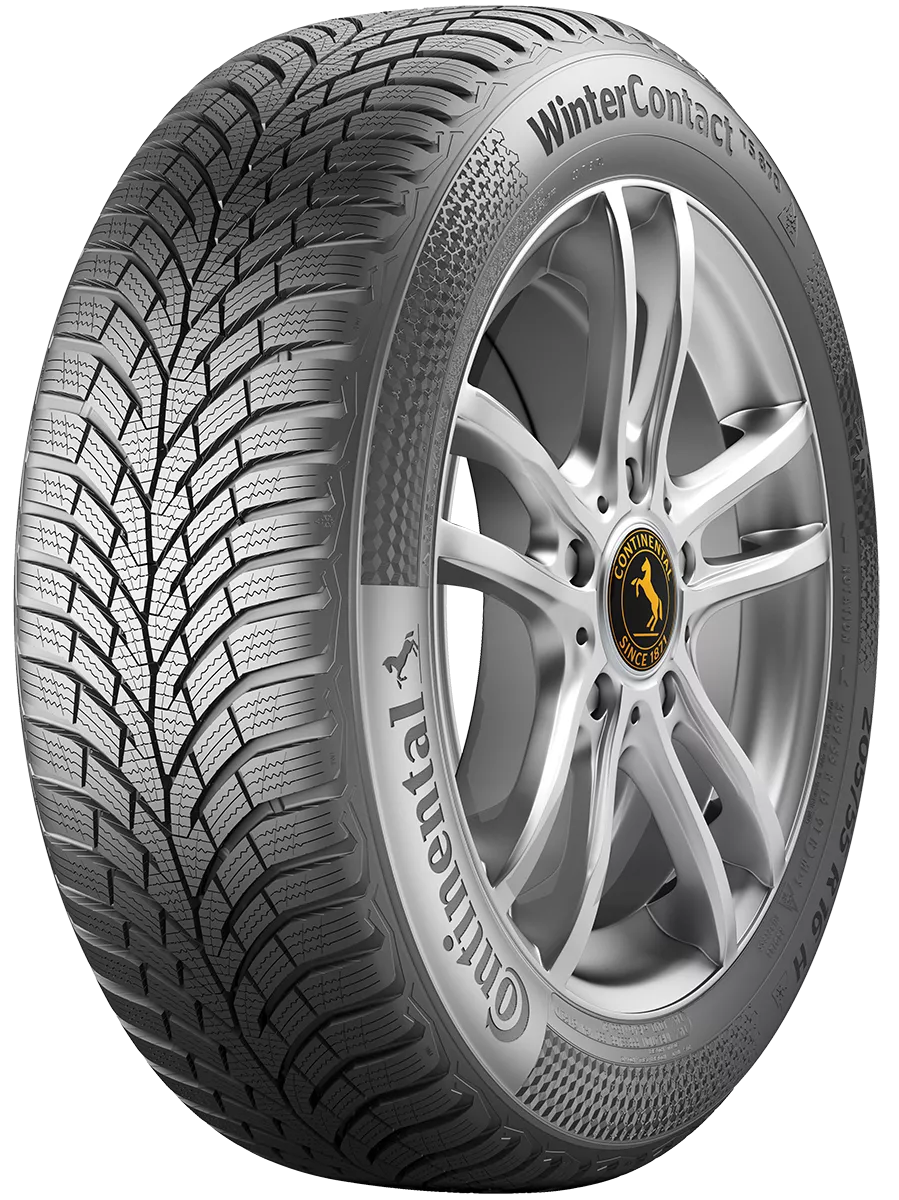
The Bridgestone Blizzak 6 and the Continental WinterContact TS 870 are both serious premium winter tyres, but they serve subtly different masters. The Blizzak 6 — succeeding the Blizzak LM-005 — is a specialist at heart: engineered with exceptional wet-weather ability and strong snow traction, it is the tyre you reach for when the forecast looks grim. The WinterContact TS 870, which replaces the ContiWinterContact TS 850, is Continental's answer to doing everything well simultaneously — an all-conditions winter tyre with outstanding mileage and a refinement that makes it genuinely pleasant to live with every day. In three direct encounters these two have shared, the Continental has come out ahead twice, but the Blizzak struck back convincingly where it matters most: wet braking.
Blizzak 6
WinterContact TS 870


Averaged from 2 tests
Bridgestone Blizzak 6
Continental WinterContact TS 870
Bridgestone Blizzak 6
Continental WinterContact TS 870
Bridgestone Blizzak 6
Continental WinterContact TS 870
Bridgestone Blizzak 6
Continental WinterContact TS 870
Bridgestone Blizzak 6
Continental WinterContact TS 870This is where the Blizzak 6 makes its loudest argument. In the 2024 Auto Bild winter braking test — the most directly comparable data point available — the Blizzak 6 stopped from 50 km/h on wet tarmac in 34.6 metres against the Continental's 37.1 metres. That 2.5-metre advantage is significant in real-world terms and reflects Bridgestone's longstanding focus on wet-condition safety. Across broader test averages, the Blizzak 6 leads in wet handling measured conditions too, though some evaluations flagged it for inconsistent wet handling behaviour — one test noted unstable rear-end responses, though a retest showed meaningful improvement, suggesting some sensitivity to conditions or setup. The Continental's Cool Chili Compound and Hydro Grooves deliver strong, consistent wet braking — and real owners frequently cite wet-road confidence as a highlight — but the Blizzak 6 has the sharper edge in pure wet stopping power. Where the Continental clearly wins is aquaplaning resistance, where it outperforms the Blizzak 6 by a meaningful margin in both longitudinal and crosswise evaluations.
Bridgestone Blizzak 6
Continental WinterContact TS 870
Bridgestone Blizzak 6
Continental WinterContact TS 870On dry roads, the gap between these two winter tyres is notable. The Continental WinterContact TS 870 is a considerably more assured performer on dry tarmac — its objective dry handling scores are outstanding, and testers repeatedly found it composed, precise and willing in dry corners. The WinterContact 870 earns its place as a genuine daily driver even on the occasions when winter fails to show up. The Blizzak 6 is a different animal here: while testers credit it with reasonable dry-road confidence and a safe understeer balance, it shows sensitivity to load changes mid-corner and lacks the rear stability of the Continental during quick direction changes. Its steering also feels less alert on a dry surface. This is the expected trade-off from a tyre whose compound is optimised for cold, wet conditions — but it is worth bearing in mind if you live somewhere with variable winter weather.
Bridgestone Blizzak 6
Continental WinterContact TS 870
Bridgestone Blizzak 6
Continental WinterContact TS 870
Bridgestone Blizzak 6
Continental WinterContact TS 870
Bridgestone Blizzak 6
Continental WinterContact TS 870On snow, both tyres perform impressively but with different character. The Blizzak 6 is outstanding for side guidance and lateral stability on snow — its snow-side-guidance score is among the best measured — and testers praised it as a genuine snow specialist with excellent traction and predictable handling. In the Auto Bild test, snow braking came in at 29.6 metres for the Blizzak 6 versus 29.1 metres for the Continental — essentially equal at that level of precision. The WinterContact TS 870 edges ahead in snow acceleration and snow circle cornering, with Continental's Triple Sipe Concept delivering particularly precise control on snow-covered surfaces. The Continental is the more balanced snow performer across a wider range of scenarios; the Blizzak 6 is the more dynamically engaging of the two in deeper or more demanding snow conditions. For drivers in seriously harsh winter regions, the Blizzak 6's snow traction and side guidance are genuinely reassuring — but the Continental won't leave you wanting in typical northern European winter conditions.
Bridgestone Blizzak 6
Continental WinterContact TS 870
Bridgestone Blizzak 6
Continental WinterContact TS 870The WinterContact TS 870 has a clear advantage in everyday livability. Real owners consistently describe it as quiet and smooth — low cabin noise is one of the most frequently mentioned positives — and its interior noise scores across multiple tests are excellent. Auto Bild owners note a noticeably softer, more composed ride compared to predecessor tyres. The Blizzak 6 is by no means harsh, and interior noise scores are solid, but the Continental is the more refined companion on a long motorway run. Where the WinterContact TS 870 truly separates itself is mileage and running costs: it offers a substantially higher predicted tread life and lower rolling resistance, which matters over a full winter season's worth of kilometres. The Blizzak 6's mileage score is modest — a genuine weakness for drivers covering higher annual distances. Both tyres are available in EV-compatible variants, but the Continental's superior rolling resistance and longevity make it a more natural fit for efficiency-conscious electric car owners.
Bridgestone Blizzak 6
Continental WinterContact TS 870
Bridgestone Blizzak 6
Continental WinterContact TS 870These are two excellent winter tyres that reward different priorities. If wet braking safety is your non-negotiable — particularly if you drive in urban environments where rain-soaked tarmac is more common than deep snow — the Bridgestone Blizzak 6 is the bolder, more specialist choice, delivering shorter stopping distances on wet roads than almost any competitor. Its snow performance is also genuinely strong. But if you want a winter tyre that is consistently excellent in every condition, wears well, runs quietly, and makes a premium price feel justified over multiple seasons, the Continental WinterContact TS 870 is the more complete product. It won two of three shared tests for good reason: there is no real weakness to expose. For most drivers — particularly those covering significant mileage or valuing refinement — the Continental is the more rational long-term investment. The Blizzak 6 earns its place for drivers who want maximum wet-weather protection above all else.
Compare prices across all available dimensions for these tyres.
VS
VS
VS
VS
VS
VS
VS
VS
VS
VS