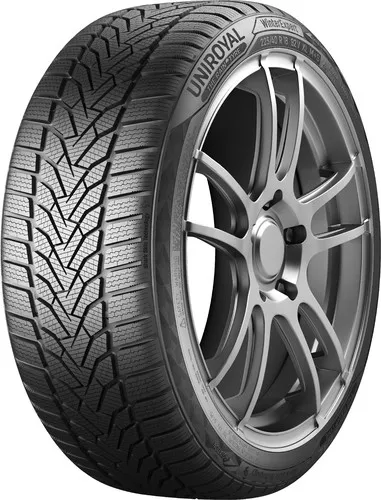
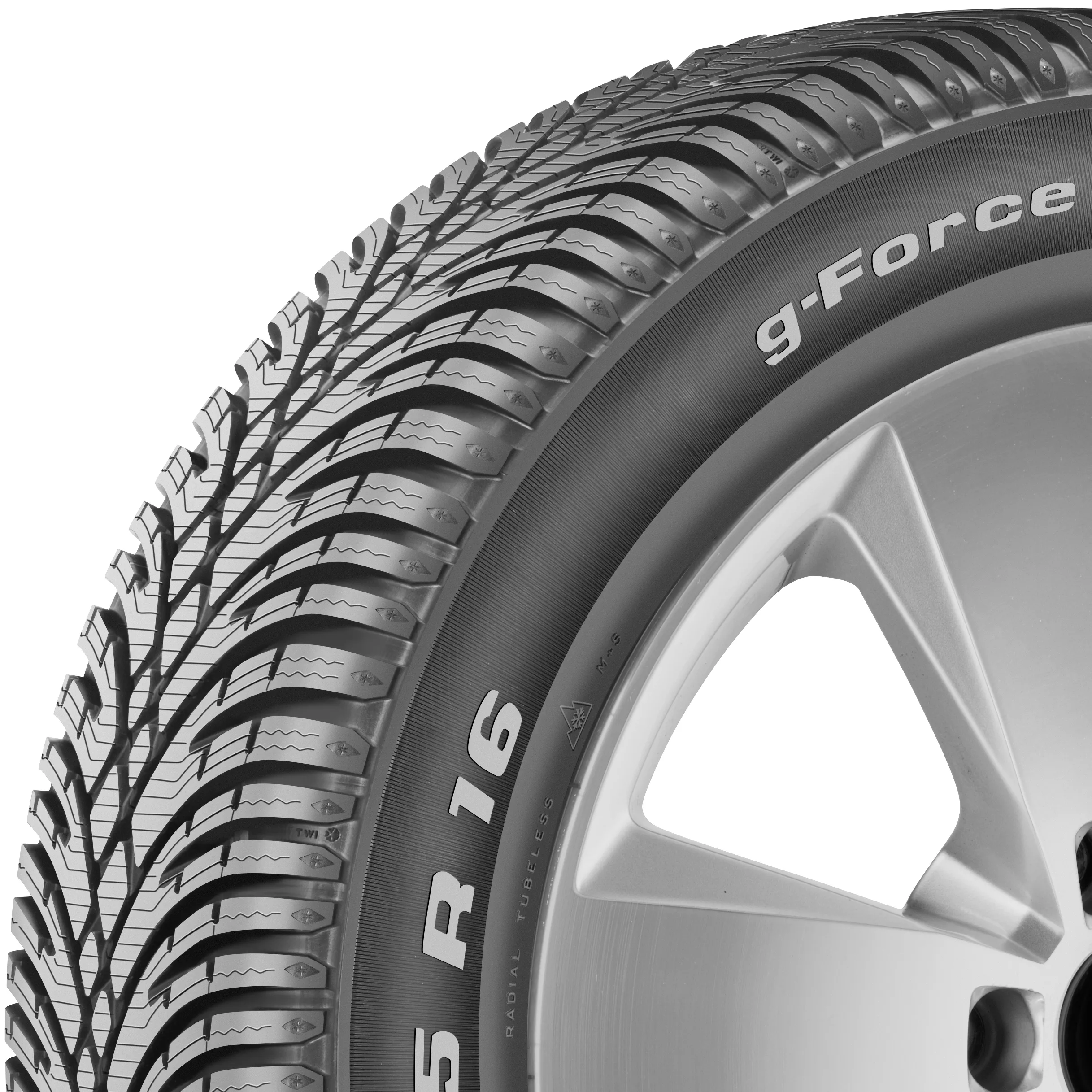
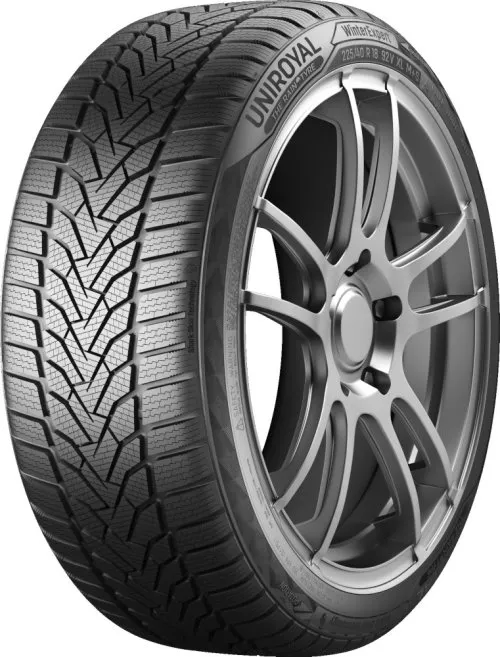
A snow specialist against an efficiency-first all-rounder — same group, very different priorities.
Both the BFGoodrich G-FORCE WINTER 2 and the Uniroyal WinterExpert sit in the upper-middle winter tyre segment and share the same corporate parent — both brands belong to the Michelin group — yet they chase very different goals. The G-FORCE WINTER 2 is a dedicated snow specialist: it scores an outstanding 93 on snow and consistently lands near the top of winter tyre shootouts when conditions turn truly white. The Uniroyal WinterExpert, successor to the MS plus 77, takes a more balanced, efficiency-first approach — its headline achievement is a class-leading rolling resistance score of 88, meaning lower fuel bills across the winter season. Choose your priority and you'll already have a strong hint at which tyre suits you.
G-FORCE WINTER 2
WinterExpert


Averaged from 4 tests
BFGoodrich G-FORCE WINTER 2
Uniroyal WinterExpert
BFGoodrich G-FORCE WINTER 2
Uniroyal WinterExpert
BFGoodrich G-FORCE WINTER 2
Uniroyal WinterExpert
BFGoodrich G-FORCE WINTER 2
Uniroyal WinterExpert
BFGoodrich G-FORCE WINTER 2
Uniroyal WinterExpertWet performance is where the gap closes dramatically. Across three measured braking tests, the G-FORCE WINTER 2 averages 36.2 m and the WinterExpert 36.1 m — effectively identical stopping distances in the wet. Uniroyal markets the WinterExpert's Shark Skin Technology specifically for wet roads and aquaplaning resistance, and that positioning holds up on paper braking metrics. However, the BFGoodrich pulls ahead when it comes to aquaplaning resistance overall (score: 80.8 vs 63.9), meaning at higher speeds and standing water the G-FORCE WINTER 2 gives more confidence. One WinterExpert owner on a MINI Cooper noted it handles heavy rain impressively, which aligns with its wet braking parity — but the BFGoodrich's wider aquaplaning margin is a real safety buffer on motorways.
BFGoodrich G-FORCE WINTER 2
Uniroyal WinterExpert
BFGoodrich G-FORCE WINTER 2
Uniroyal WinterExpertOn dry tarmac the G-FORCE WINTER 2 holds a clear advantage. Its dry performance score of 71.8 versus the WinterExpert's 66.9 reflects a recurring theme in test reports: the BFGoodrich provides noticeably more secure handling and shorter stopping distances when the road is bare and cold. The Uniroyal's dry braking is one of its most consistent weak points — testers repeatedly flag extended stopping distances on dry surfaces, and it's an area where the WinterExpert lags behind most of its upper-middle peers. For drivers who regularly face mixed winter conditions — more cold-but-dry days than snowy ones — this gap matters.
BFGoodrich G-FORCE WINTER 2
Uniroyal WinterExpert
BFGoodrich G-FORCE WINTER 2
Uniroyal WinterExpert
BFGoodrich G-FORCE WINTER 2
Uniroyal WinterExpert
BFGoodrich G-FORCE WINTER 2
Uniroyal WinterExpertSnow is where these two tyres diverge most sharply. The G-FORCE WINTER 2 earns a snow score of 93.2 — genuinely elite territory — while the WinterExpert sits at 70.5. Across three measured snow braking tests, the BFGoodrich averages 28.0 m versus 28.8 m for the Uniroyal. That 0.8 m average gap might sound small, but it compounds with a clear handling advantage: in the 2023 Autobild 225/45 R18 test the BFGoodrich finished 4th overall while the WinterExpert placed 12th, and the ADAC 2023 SUV test saw a similar story. Real owners confirm it — BFGoodrich customers consistently highlight grip on snow as the tyre's standout quality. If you live somewhere that sees regular snowfall, the G-FORCE WINTER 2 is in a different league.
BFGoodrich G-FORCE WINTER 2
Uniroyal WinterExpert
BFGoodrich G-FORCE WINTER 2
Uniroyal WinterExpertThe BFGoodrich is the more comfortable and quieter tyre of the two — comfort score 79.3 versus 73.4, noise 81.5 versus 71.3 — which is somewhat counterintuitive for a tyre with such strong winter bias. Owners frequently mention how quiet it runs, and that reputation holds across multiple test seasons. The WinterExpert is noisier and slightly less refined on road, though it compensates with its outstanding rolling resistance (88 vs 73.1) — the best argument for the Uniroyal if you're covering high annual mileage and watching fuel costs. On predicted mileage, the BFGoodrich scores better (73.2 vs 47.5), so the WinterExpert's fuel economy advantage may not offset its faster tread wear over a full season.
BFGoodrich G-FORCE WINTER 2
Uniroyal WinterExpert
BFGoodrich G-FORCE WINTER 2
Uniroyal WinterExpertThe BFGoodrich G-FORCE WINTER 2 is the stronger all-round winter tyre: better on snow, more composed on dry roads, quieter, and more resistant to aquaplaning — all while scoring 81/100 overall versus the WinterExpert's 79/100. It's the right choice for drivers who want genuine winter confidence, particularly anyone facing regular snowfall. The Uniroyal WinterExpert makes its case on efficiency and wet braking parity — if your winters are mild and mostly wet rather than snowy, and fuel economy is a priority, it's a competent, reasonably priced option. But take it into heavier snow conditions and the BFGoodrich's specialist advantage becomes impossible to ignore.
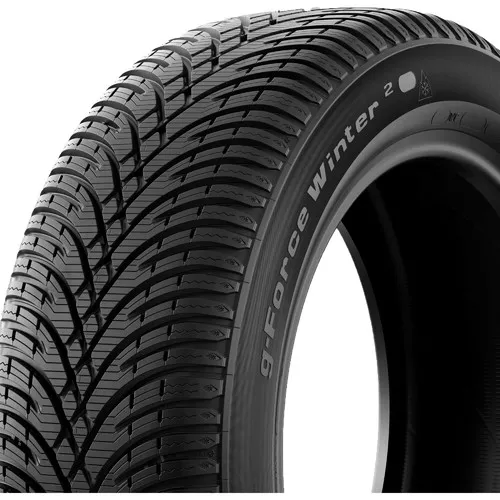
Compare prices across all available dimensions for these tyres.
VS
VS
VS
VS
VS
VS
VS
VS
VS
VS
BFGoodrich G-FORCE WINTER 2 vs Bridgestone Blizzak LM-005
BFGoodrich G-FORCE WINTER 2 vs Dunlop Winter Sport 5
BFGoodrich G-FORCE WINTER 2 vs Michelin Alpin 6
BFGoodrich G-FORCE WINTER 2 vs Fulda Kristall Control HP2
Uniroyal WinterExpert vs Firestone Winterhawk 4
Uniroyal WinterExpert vs Semperit Speed-Grip 5
Uniroyal WinterExpert vs Dunlop Winter Sport 5