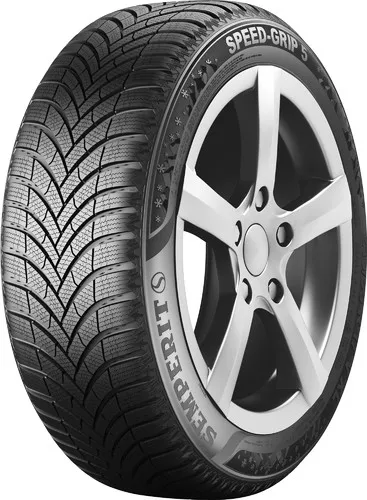
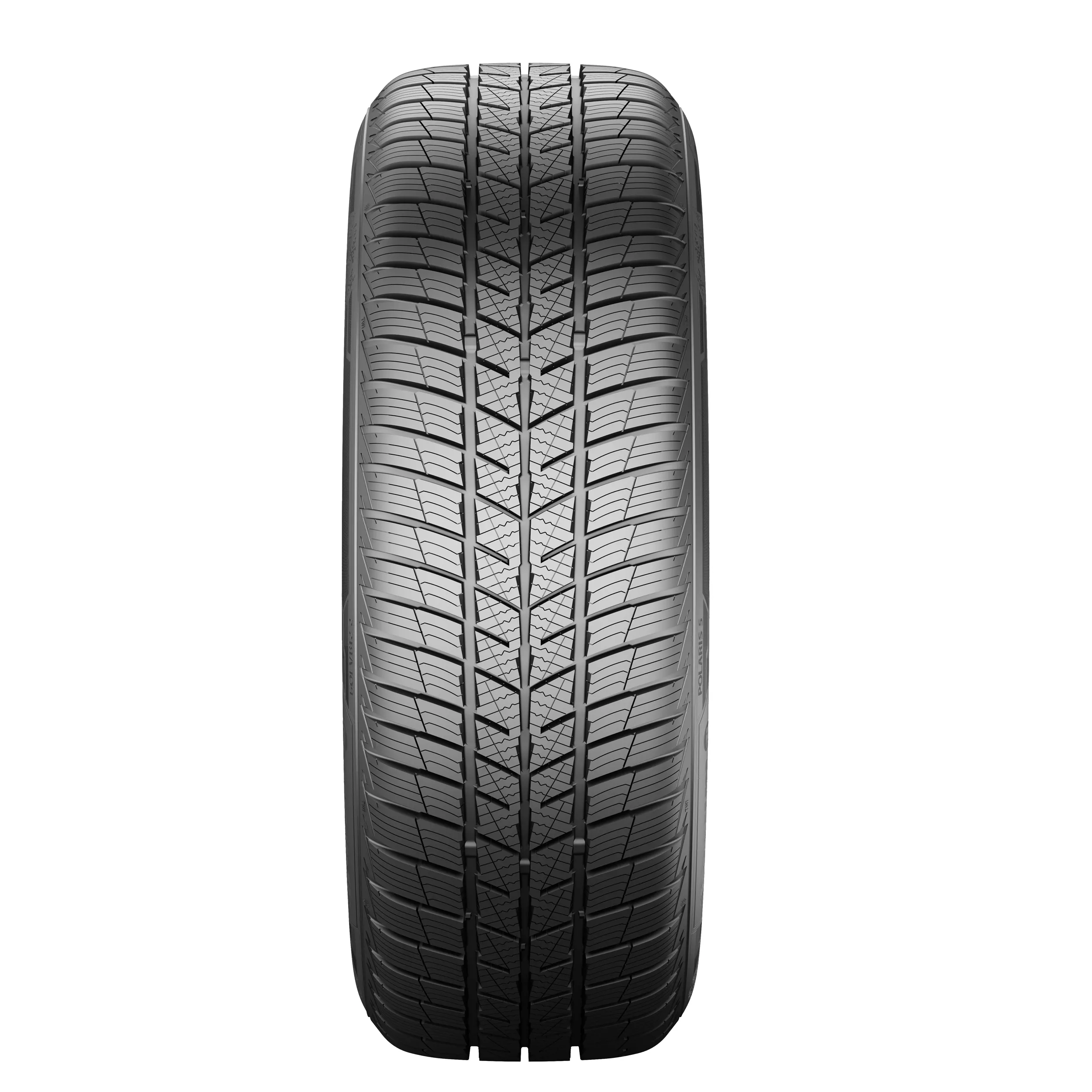
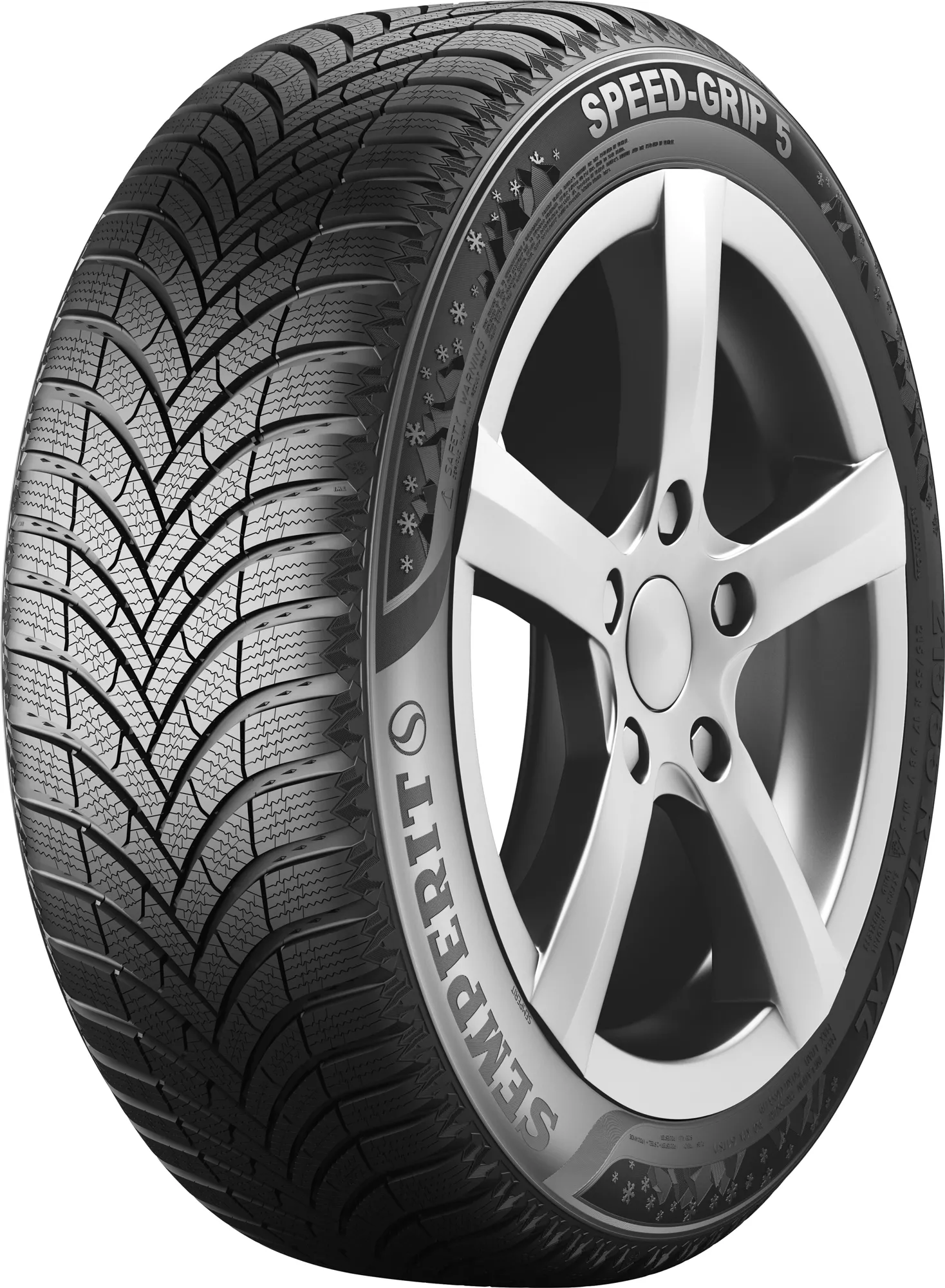
Speed-Grip 5 wins on comfort and wet safety; Polaris 5 lasts longer and brakes shorter on dry.
Both the Barum Polaris 5 and the Semperit Speed-Grip 5 sit in the budget-premium sweet spot — Continental Group products built to a price, yet capable enough to feature respectably in major European winter tests. On paper they look close, but dig into the data and a clear split emerges: the Polaris 5 is the mileage-focused snow specialist that struggles when roads turn wet and greasy, while the Speed-Grip 5 is the more rounded all-conditions performer with a notably quieter, more comfortable ride. In five shared tests, the Speed-Grip 5 came out ahead three times — and crucially, its wins tended to be more decisive, including a top-three finish in AutoBild's demanding 55-tyre field where the Polaris 5 placed 18th.
Polaris 5
Speed-Grip 5


Averaged from 3 tests
Barum Polaris 5
Semperit Speed-Grip 5
Barum Polaris 5
Semperit Speed-Grip 5
Barum Polaris 5
Semperit Speed-Grip 5
Barum Polaris 5
Semperit Speed-Grip 5
Barum Polaris 5
Semperit Speed-Grip 5Wet performance is where the gap opens up most meaningfully, and it runs firmly in the Speed-Grip 5's favour. Across two shared braking tests, the averages are close — 36.4m for the Speed-Grip 5 versus 36.7m for the Polaris 5 — but the overall wet scores tell a different story: 70.2 for the Speed-Grip 5 against just 61.8 for the Polaris 5, a gap driven largely by aquaplaning resistance (73.9 vs 64.5). The Polaris 5's aquaplaning weakness has been flagged explicitly as a safety concern in testing, and its tendency to understeer on wet roads is a recurring criticism. The Speed-Grip 5 is by no means exceptional in the wet — its EU wet grip label is predominantly C-rated and testers noted some lateral grip limitations — but it offers meaningfully greater margin when roads are slippery and standing water is present.
Barum Polaris 5
Semperit Speed-Grip 5
Barum Polaris 5
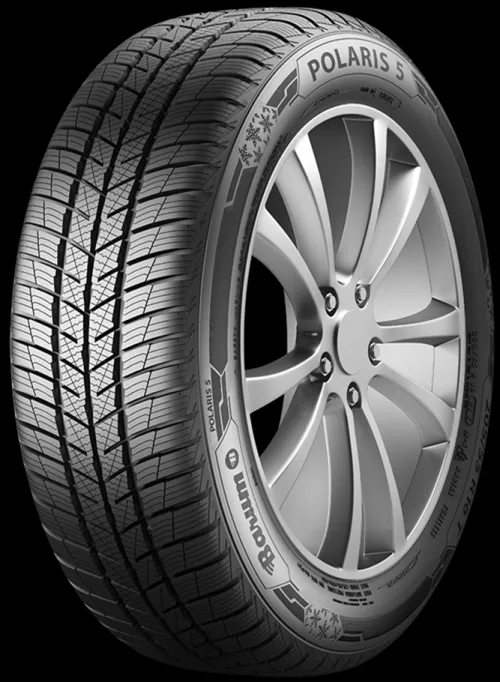
Semperit Speed-Grip 5Neither tyre is a dry-road star, but they have different failure modes. The Polaris 5 actually posts a stronger dry-braking sub-score (69.1 vs 59.0), and real-world owner feedback describes acceptable dry-weather behaviour, with one owner noting decent dry grip from spirited driving. The Speed-Grip 5, conversely, has attracted repeated criticism for extended dry stopping distances across multiple test programmes — longer dry braking is its most documented weakness, flagged in both AutoBild and ADAC evaluations. Overall dry handling sits close (Barum 70.5, Semperit 71.5), but if short dry stopping distances matter to you, the Polaris 5 is the safer bet between these two.
Barum Polaris 5
Semperit Speed-Grip 5
Barum Polaris 5
Semperit Speed-Grip 5
Barum Polaris 5
Semperit Speed-Grip 5
Barum Polaris 5
Semperit Speed-Grip 5Snow is the Polaris 5's strongest suit, and Barum themselves position it squarely around family winter safety, citing optimised block arrangements and multifunctional sipes for all-direction grip. The numbers support this: a snow score of 76.1 edges the Speed-Grip 5's 75.0, and across two shared braking tests the averages are nearly identical — 30.5m for the Polaris 5 versus 30.2m for the Speed-Grip 5. The Speed-Grip 5 is genuinely competitive on snow and has earned praise for safe, precise winter handling in ADAC evaluations, but its weak point here is lateral snow guidance — a limitation noted in AutoBild's 2025 test. Owner experience with the Polaris 5 on snow is mixed, however: one reviewer praised it as better than the predecessor Barum Polaris 3 on ice and snow, while another on a BMW xDrive found it disappointing in real snowfall conditions.
Barum Polaris 5
Semperit Speed-Grip 5
Barum Polaris 5
Semperit Speed-Grip 5Semperit's Speed-Grip 5 is noticeably the more refined daily companion. Its comfort score of 80.3 and noise score of 81.0 comfortably exceed the Polaris 5's 73.3 and 75.2 respectively. Where the Speed-Grip 5 falls short is mileage: its projected wear score of 55.5 is significantly lower than the Polaris 5's 72.4 — a meaningful gap that will translate to real-world cost differences for high-annual-mileage drivers. Rolling resistance is essentially equivalent (83 vs 82), so neither tyre holds a clear fuel economy advantage. For drivers who cover modest annual distances but value a hushed cabin on cold winter commutes, the Speed-Grip 5's refinement edge is genuinely noticeable.
Barum Polaris 5
Semperit Speed-Grip 5
Barum Polaris 5
Semperit Speed-Grip 5The Semperit Speed-Grip 5 is the better all-round winter tyre for most drivers — its superior aquaplaning resistance, more comfortable ride, and stronger test record across conditions make it the safer and more satisfying everyday choice, and its overall rating of 78/100 reflects that consistently balanced performance. The Barum Polaris 5 makes sense for drivers who prioritise tyre longevity and snow traction on a tight budget — its mileage advantage is real, its snow credentials are solid, and its dry braking is surprisingly stronger than the Speed-Grip 5's. But its wet-road limitations and aquaplaning weakness mean it is not the right choice for drivers who regularly face rain-soaked roads or motorway conditions in winter.
Compare prices across all available dimensions for these tyres.
VS
VS
VS
VS
VS
VS
VS
VS
VS
VS
Barum Polaris 5 vs BFGoodrich G-FORCE WINTER 2
Barum Polaris 5 vs Bridgestone Blizzak LM-005
Barum Polaris 5 vs Michelin Alpin 6
Barum Polaris 5 vs Vredestein Wintrac
Semperit Speed-Grip 5 vs Firestone Winterhawk 4
Semperit Speed-Grip 5 vs Pirelli Cinturato Winter 2
Semperit Speed-Grip 5 vs BFGoodrich G-FORCE WINTER 2
Semperit Speed-Grip 5 vs Dunlop Winter Sport 5