
18 shops · 56 ·847+ products
Daihatsu

Daihatsu Move generations and tyre sizes

Move

1.Generation

1997 – 1999
Petrol31 kW (42 PS)Manual / Automatic
Move

1.Generation (1. Facelift)

1999 – 2003
Petrol41 kW (56 PS)Manual / Automatic

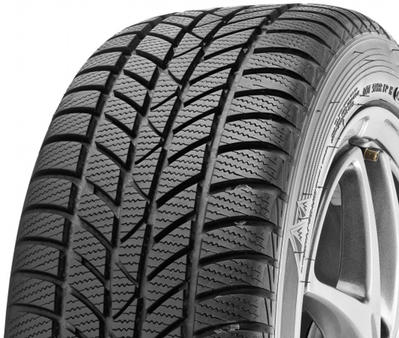
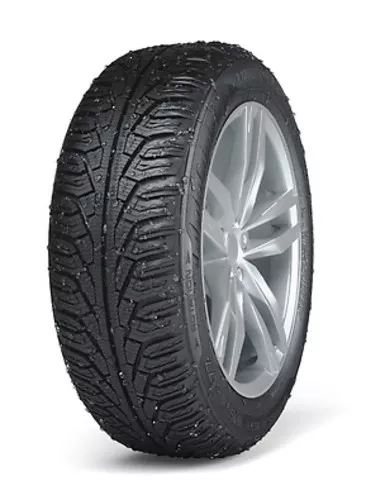
For the Daihatsu Move in 2026, the top-rated tyres are Hankook Winter i*cept RS W442 (rated 8.1/10) and Uniroyal MS Plus 77 (rated 7.4/10). The Daihatsu Move uses 3 tyre sizes across 2 generations. Rankings based on aggregated professional tyre test results.

Source: aggregated data from ADAC, TCS, Auto Bild, GTÜ and other independent tyre testing organizations.

tyres for Daihatsu Move - market overview, tests, reviews 2026

Matching tyres for Daihatsu Move

Frequently asked questions

What are the best tyres for Daihatsu Move?
Based on aggregated test results, the top-rated tyres for Daihatsu Move are: Hankook Winter i*cept RS W442 (8.1/10), Uniroyal MS Plus 77 (7.4/10). Rankings based on aggregated professional tyre test results.
What tyre sizes fit Daihatsu Move?
The Daihatsu Move uses the following tyre sizes: 145/65 R13, 155/65 R13, 165/65 R13.
How many generations does the Daihatsu Move have?
The Daihatsu Move has 2 generations, from 1997 to 1999.
What is the best tyre for wet roads for Daihatsu Move?
For wet road performance on Daihatsu Move, the top-rated tyres are Uniroyal MS Plus 77 (7.9/10).
Are Hankook Winter i*cept RS W442 good for Daihatsu Move?
Yes, the Hankook Winter i*cept RS W442 is the top-rated tyre for Daihatsu Move with a rating of 8.1/10. It covers 66% of Daihatsu Move tyre sizes.
How to choose tyres for Daihatsu Move?
To choose the right tyres for Daihatsu Move: 1) Check which tyre sizes fit your generation. 2) Choose between summer, winter, or all-season tyres. 3) Compare test ratings from independent organizations. 4) Consider your driving priorities (wet safety, comfort, mileage). 5) Decide between premium and budget segments based on your budget.
What is the difference between summer and winter tyres for Daihatsu Move?
Summer tyres are optimized for warm temperatures (above 7 degrees C) with better dry and wet grip. Winter tyres use softer compounds and deeper treads for cold conditions, snow and ice. All-season tyres offer a compromise but do not match specialists in extreme conditions. Choose based on your climate and driving needs.

TheTireLab.com

GET

TheTireLab.com

Compare tyres, read test results and find the best prices — all in one app.